Cable ties face harsh outdoor conditions, so choosing the right type matters. UV exposure, moisture, wind, heat, and cold all place stress on materials.
This article explains how UV-resistant and weather-resistant cable ties perform outdoors. You will see what sets them apart, where each type works best, and how to choose the right option for long-term reliability.
Understanding Outdoor Cable Performance
Outdoor environments create constant mechanical and chemical stress. Plastic materials dry out, expand, contract, and weaken over time. Cable ties that work indoors may fail quickly outside.
UV exposure and weather conditions break down nylon bonds. This leads to cracking, stiffness, and tensile loss. Selecting the right formulation helps prevent premature failures in outdoor installations.
What UV-Resistant Cable Ties Do
UV-resistant cable ties contain additives that slow damage from sunlight. These stabilisers help keep the nylon flexible and strong.
Black UV-resistant nylon handles continuous sun exposure better than natural nylon. You will see longer service life in applications with direct sunlight.
Benefits of UV-Resistant Ties
UV stabilisers slow fading and cracking. This keeps bundles secure even during long summers. Many technicians choose black UV-resistant ties for rooftop and street-level work due to their durability under constant sunlight.
What Weather-Resistant Cable Ties Do
Weather-resistant cable ties handle a wider mix of outdoor conditions. They perform well in moisture, light UV exposure, temperature swings, and normal outdoor stress.
Weather-resistant ties do not focus on sunlight alone. Their value lies in balanced performance across many environments. They work well for light outdoor use and seasonal exposure.
Benefits of Weather-Resistant Ties
Weather-resistant ties maintain flexibility during mild temperature changes. They handle moisture better than standard nylon. Many installers use them for temporary and semi-permanent outdoor jobs with moderate sun exposure.
UV vs. Weather Resistance: What Sets Them Apart
UV-resistant and weather-resistant cable ties offer different strengths. They often overlap, but they are not the same product class.
UV Resistance Focuses on Sunlight
UV-resistant ties hold up under strong sun. This makes them ideal for rooftops, exposed walls, antennas, and outdoor electrical runs. Long-term sunlight is the main threat in these installations.
Weather Resistance Covers Broader Conditions
Weather-resistant ties handle wet seasons, short sun exposure, and moderate temperature changes. They suit jobs where sunlight is present but not extreme.
Material Structure
Both options use nylon, but the additive packages differ. UV-resistant ties use UV stabilisers to slow sunlight damage. Weather-resistant ties balance moisture protection and outdoor durability.
When to Choose UV-Resistant Cable Ties
UV-resistant cable ties work best in locations with long summer exposure. They maintain strength in high sun.
Best Applications
Use UV-resistant ties where intense sunlight is consistent:
Technicians often choose UV-resistant ties because they keep predictable strength over time. They avoid sudden brittle failure that can happen with standard nylon in sunlight.
When to Choose Weather-Resistant Cable Ties
Weather-resistant cable ties work well in mixed environmental conditions. They support outdoor cables that need protection from intermittent sunlight and moisture.
Best Applications
Use weather-resistant ties for environments with mild to moderate exposure:
garden lighting and landscaping
holiday and seasonal displays
outdoor event cabling
shaded exterior walls
garage and shed installations
low-exposure pipeline or hose runs
These ties suit jobs that demand versatility instead of extreme UV endurance.
Why Installers Use Them
Weather-resistant ties stay flexible in damp or variable weather. They resist early fatigue and maintain grip during moderate outdoor exposure.
Key Differences in Performance
UV-resistant and weather-resistant cable ties overlap in some uses. Their differences become clear when you consider service life, exposure intensity, and failure risk.
Sunlight Exposure
UV-resistant ties excel under heavy sun. Weather-resistant ties tolerate sunlight but not severe UV over long periods.
Moisture and Temperature
Weather-resistant ties handle shifting seasons well. UV-resistant ties also manage these conditions, but their primary advantage remains high sun endurance.
Lifespan Considerations
In strong sunlight, UV-resistant ties last longer. In mixed exposures, both perform well, but weather-resistant ties offer balanced protection.
Choosing the Right Cable Tie for Your Application
Your environment determines the better option. Focusing on exposure levels helps prevent poor performance or unnecessary costs.
Key Considerations
Ask these questions before selecting a tie:
How strong is the sunlight year-round?
Will the installation be exposed every day or only seasonally?
Does the site experience constant moisture or storms?
Are temperature swings sharp or mild?
How long should the bundle remain untouched?
Matching tie type to expected conditions creates safer installations.
Seasonal and Regional Differences
Not all regions behave the same. Sunlight intensity, humidity, and seasonal patterns change tie performance.
Hot and Sunny Regions
In sun-intensive regions, UV-resistant ties almost always outperform standard weather-resistant products. The greater UV load demands materials with stabilisers.
Mild and Moist Regions
In shaded or moist environments, weather-resistant ties often meet all needs. Outdoor exposure is gentler, so balanced protection works well.
Cold and Variable Regions
Cold temperatures reduce nylon flexibility. Both types handle typical winter conditions, but weather-resistant ties respond well to moderate cold if sunlight is low.
Installation Tips for Both Types
Good technique ensures long-term reliability. Even the best materials cannot compensate for poor installation.
Clean the Surface
Make sure surfaces are dry and free of debris when using mounts or tie anchors. Dirt reduces holding strength.
Avoid Over-Tensioning
Excessive tension weakens the tie. Use consistent pressure to keep the bundle secure without stressing the nylon.
Inspect Regularly
Outdoor cables need periodic checks. Look for cracks, colour fading, and stiffness. Replace ties when they show wear.
Short Comparison Summary
A quick overview helps clarify differences.
UV-Resistant Cable Ties:
Best for long, direct sunlight
Higher resistance to cracking
Ideal for roofs, antennas, and exposed surfaces
Weather-Resistant Cable Ties:
Balanced outdoor durability
Handles moisture and light UV
Ideal for gardens, temporary setups, and shaded areas
Final Thoughts
Both UV-resistant and weather-resistant cable ties support outdoor projects, but each excels in different conditions. UV-resistant ties win in high-sun environments, while weather-resistant ties offer balanced protection for mild exposures.
For more insights and tips on cable ties and other related products, explore CableTiesUnlimited.com, get a quick and free quote, and follow us on our social media communities on Facebook and Instagram.
written By
Kyle Hinckley
Kyle Hinckley is a cable management specialist with over 15 years of experience in industrial and commercial
applications. He has helped hundreds of businesses optimize their cable infrastructure and improve workplace
organization.
About Cable Ties Unlimited
Cable Ties Unlimited represent one of the most cost-effective solutions for organization, repairs, and creative projects.
By thinking beyond their traditional use for cable management, you can discover hundreds of applications that
will save you time and money.
Get Expert Cable Management Tips
Join 10,000+ professionals receiving our weekly newsletter with industry insights, product guides, and
exclusive offers.


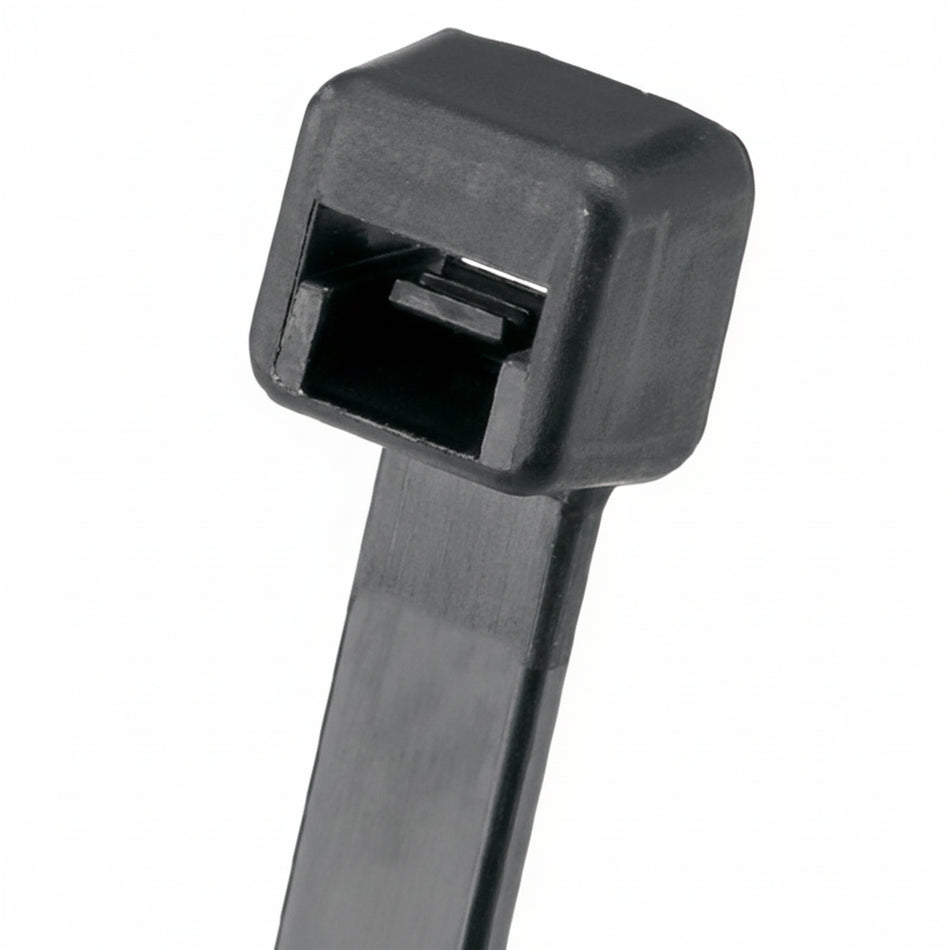 UV-resistant and weather-resistant cable ties overlap in some uses. Their differences become clear when you consider service life, exposure intensity, and failure risk.