Decluttering in 2026 looks different than it did even a few years ago. Homes and workplaces now hold more cables, devices, chargers, adapters, and modular equipment than ever before. Workspaces shift constantly. Rooms serve multiple purposes. Temporary setups become semi-permanent almost overnight.
In this environment, decluttering is no longer about throwing things away. It is about creating systems that adapt. Cable ties have become one of the most practical tools for this kind of modern organization. Used thoughtfully, they help reduce visual clutter, improve accessibility, and prevent chaos from returning six months later.
This guide explains how to use cable ties as part of a decluttering strategy that actually survives real life.
Why Cable Ties Matter More in 2026
Modern clutter is rarely random. It comes from accumulation. Devices multiply. Cables tangle. Temporary solutions pile up until they become permanent problems.
Cable ties solve a specific type of clutter: unmanaged connections. Wherever cables move, split, or converge, disorder follows. Managing those connection points brings immediate visual and functional improvement.
Unlike bins or storage boxes, cable ties work at the source of clutter. They organize things where they exist, not where they are hidden.
Start With Zones, Not Objects
One of the biggest decluttering mistakes is organizing item by item. A better approach is zoning.
Zones are functional areas. A desk zone. A media zone. A garage charging zone. A network corner. Each zone has cables that belong there and cables that do not.
Cable ties help reinforce zones by keeping related items together. When cables are bundled intentionally, it becomes obvious when something does not belong.
This visual clarity reduces future clutter without constant effort.
Learn more:Best Zip Ties for Decluttering Home Wiring.
Decluttering Workspaces With Cable Ties
Home offices and hybrid workspaces are clutter hotspots. Power cords, monitor cables, docking station leads, and chargers multiply quickly.
Cable ties help by:
Bundling monitor and peripheral cables into a single path
Securing excess cable length under desks
Grouping chargers by device type
The key is restraint. Cable ties should guide cables, not lock them into rigid positions. Leave enough slack for adjustments. Overly tight bundling makes future changes frustrating.
Reusable or releasable cable ties are especially useful in workspaces that evolve.
Managing Charging Stations Without Visual Noise
Charging stations are essential and messy by nature. Phones, tablets, headphones, power banks, and wearables all compete for space.
Cable ties can transform charging areas by organizing cables by purpose. One bundle for phones. One for accessories. One for spare chargers.
Shorten visible cable runs by tying excess length behind furniture or under shelves. Label bundles when possible. This makes it easier to maintain order without unplugging everything.
In 2026, decluttering often means making clutter intentional and controlled rather than invisible.
Decluttering Entertainment and Media Areas
Entertainment centers hide some of the worst cable clutter in modern homes. Streaming devices, sound systems, gaming consoles, routers, and power strips converge in tight spaces.
Cable ties allow you to separate signal cables from power cables, improving both organization and airflow. Group cables by device rather than by direction. This makes troubleshooting easier later.
Secure cable bundles to furniture frames or mounts so they do not spill into view. The goal is not perfection. The goal is predictability.
When every cable has a path, clutter loses momentum.
Closet and Storage Organization With Cable Ties
Cable ties are not just for electronics. They are surprisingly effective for general storage decluttering.
Use cable ties to bundle:
Extension cords
Holiday light strings
Tool cords
Vacuum hoses
Sports gear with straps
Bundling prevents tangling and makes items easier to stack or hang. Loose cords consume far more visual and physical space than bundled ones.
Reusable cable ties are ideal here because storage needs change seasonally.
Learn more:Cable Ties for Space Optimization: Solutions for Tiny Homes and RVs.
Decluttering the Garage and Utility Areas
Garages and utility rooms are where clutter goes to become permanent. Cables, hoses, cords, and accessories accumulate without structure.
Cable ties help by creating hanging bundles. When items are tied and hung vertically, floor space clears immediately. Visual clutter drops. Access improves.
Color-coded cable ties can also create simple categorization. One color for power tools. Another for outdoor equipment. Another for seasonal items.
Decluttering succeeds when retrieval is easier than dumping things back into a pile.
Digital Minimalism Meets Physical Organization
Decluttering trends in 2026 increasingly connect digital and physical organization. Fewer devices mean fewer cables. But even minimal setups still require thoughtful management.
Cable ties support digital minimalism by keeping only necessary cables visible and accessible. Extra cables stay bundled and labeled, ready but not intrusive.
This reduces decision fatigue. You see what you use. You do not see what you do not need right now.
The Role of Cable Ties in Move-Ready Spaces
People move more frequently in 2026. Whether relocating, rearranging, or reconfiguring rooms, decluttered spaces need to adapt quickly.
Cable ties make spaces move-ready. Bundled cables are easier to disconnect, transport, and reinstall. Labels stay attached. Organization travels with you.
This reduces the mental and physical cost of change.
Avoid Over-Decluttering With Permanent Ties
One caution matters. Not every decluttering job should use permanent cable ties.
Permanent nylon ties are excellent for stable setups. They are not ideal for frequently adjusted spaces. Cutting and replacing ties repeatedly creates waste and frustration.
In adaptable areas, releasable cable ties or hook-and-loop fasteners are better choices. Decluttering should reduce friction, not add it.
Decluttering Without Damaging Cables
A decluttered space that damages cables is not a success.
Avoid overtightening cable ties. Compression can deform cable jackets, especially for data, coaxial, or fiber cables. Cable ties should hold shape, not squeeze.
Spacing matters too. Multiple loose ties often outperform one tight tie.
This approach preserves cables while still achieving visual clarity.
Maintenance Is the Real Decluttering Test
Most decluttering systems fail during maintenance. Something changes. A new device arrives. A cable is added temporarily.
Cable ties help maintenance by making changes visible. When a new cable appears, it stands out immediately. This prompts intentional action rather than accumulation.
Good decluttering systems encourage correction, not perfection.
Decluttering for Safety and Accessibility
Beyond aesthetics, cable ties improve safety. Loose cables create trip hazards, snag points, and strain on connectors.
Bundled and secured cables stay out of walkways and moving parts. Accessibility improves for cleaning, repairs, and inspections.
In shared or professional spaces, this matters as much as visual order.
Choosing the Right Cable Ties for Decluttering
Decluttering does not require industrial-grade hardware. It requires appropriate tools.
Light-duty nylon cable ties work for most indoor organization. Reusable ties work best where change is expected. UV-resistant or heavier ties suit garages and utility areas.
Suppliers like Cable Ties Unlimited offer a wide range of cable ties designed for different environments and use cases, making it easier to match the tie to the task rather than forcing one solution everywhere.
Decluttering as a Habit, Not a Project
The most effective decluttering tip for 2026 is this: stop treating decluttering as a one-time event.
Cable ties support habit-based organization. When used consistently, they reinforce structure. Structure reduces clutter. Reduced clutter lowers maintenance effort.
That feedback loop is what makes decluttering stick.
Conclusion
In 2026, decluttering is about adaptability, not minimalism alone. Cable ties help create flexible systems that manage cables, cords, and accessories where clutter actually forms.
Used thoughtfully, cable ties reduce visual noise, improve safety, and make organized spaces easier to maintain over time.
For more insights and tips on cable ties and other related products, explore cabletiesunlimited.com, get a quick and free quote, and follow us on our social media communities on Facebook and Instagram!
written By
Kyle Hinckley
Kyle Hinckley is a cable management specialist with over 15 years of experience in industrial and commercial
applications. He has helped hundreds of businesses optimize their cable infrastructure and improve workplace
organization.
About Cable Ties Unlimited
Cable Ties Unlimited represent one of the most cost-effective solutions for organization, repairs, and creative projects.
By thinking beyond their traditional use for cable management, you can discover hundreds of applications that
will save you time and money.
Get Expert Cable Management Tips
Join 10,000+ professionals receiving our weekly newsletter with industry insights, product guides, and
exclusive offers.


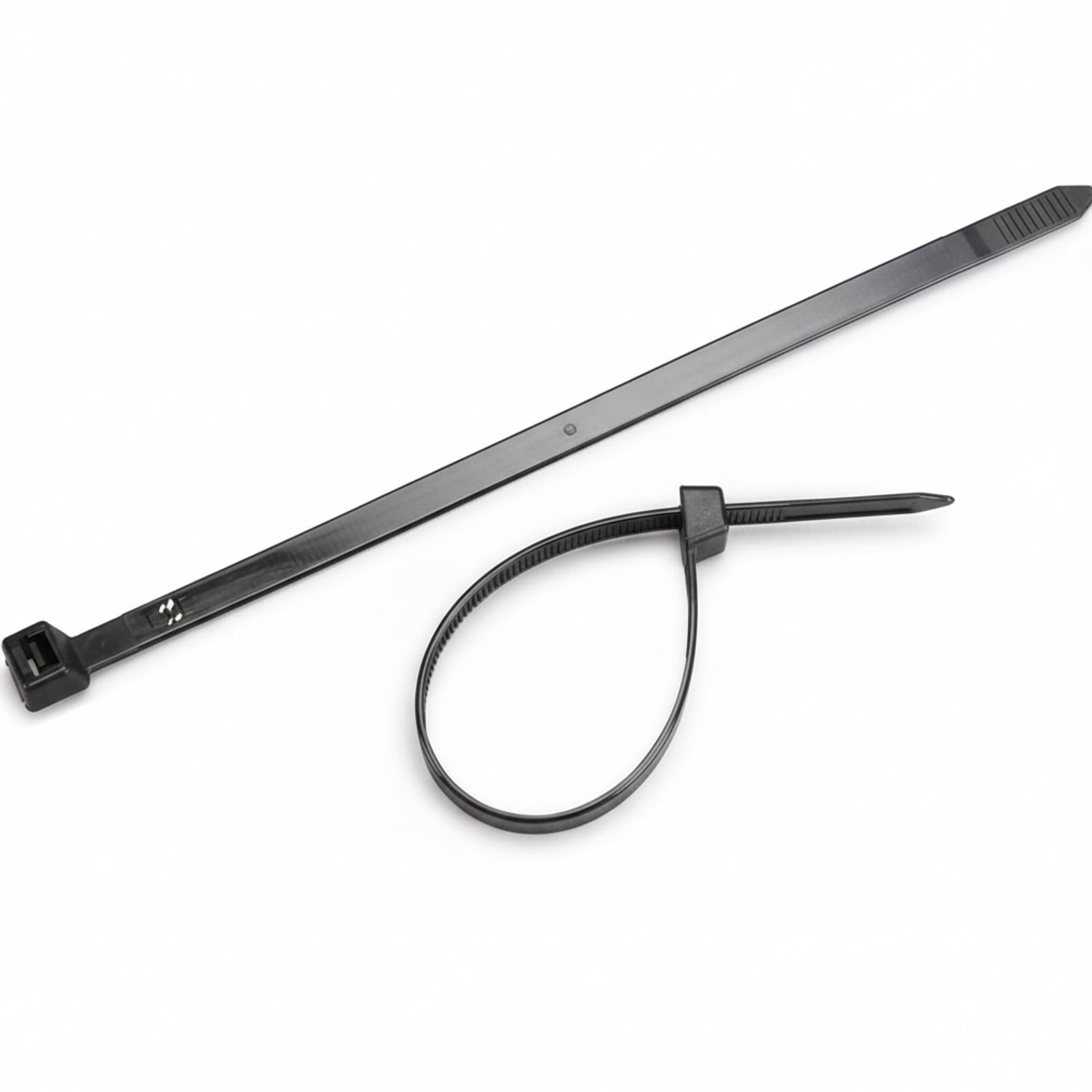 Charging stations are essential and messy by nature. Phones, tablets, headphones, power banks, and wearables all compete for space.
Cable ties can transform charging areas by organizing cables by purpose. One bundle for phones. One for accessories. One for spare chargers.
Shorten visible cable runs by tying excess length behind furniture or under shelves. Label bundles when possible. This makes it easier to maintain order without unplugging everything.
In 2026, decluttering often means making clutter intentional and controlled rather than invisible.
Charging stations are essential and messy by nature. Phones, tablets, headphones, power banks, and wearables all compete for space.
Cable ties can transform charging areas by organizing cables by purpose. One bundle for phones. One for accessories. One for spare chargers.
Shorten visible cable runs by tying excess length behind furniture or under shelves. Label bundles when possible. This makes it easier to maintain order without unplugging everything.
In 2026, decluttering often means making clutter intentional and controlled rather than invisible.
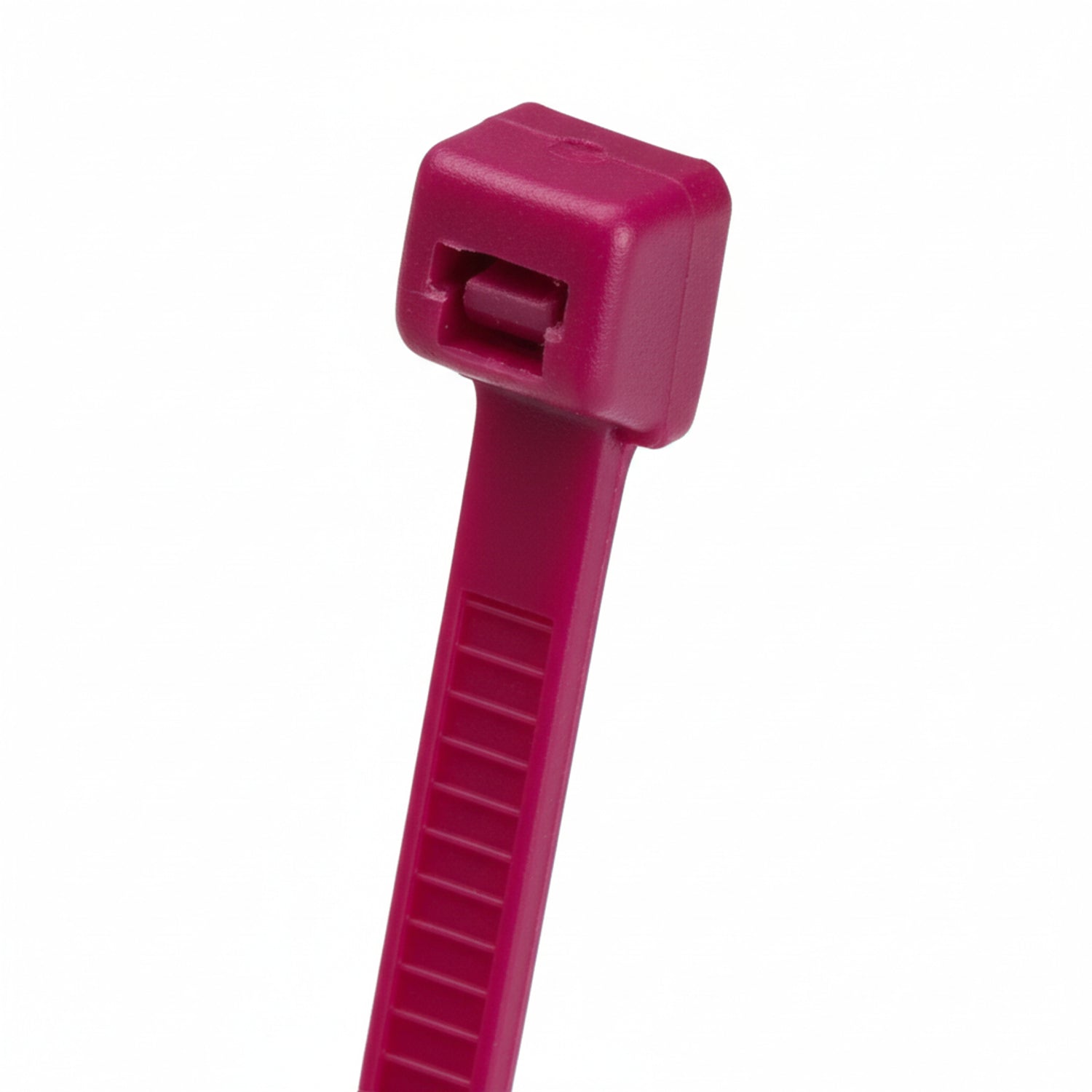 People move more frequently in 2026. Whether relocating, rearranging, or reconfiguring rooms, decluttered spaces need to adapt quickly.
Cable ties make spaces move-ready. Bundled cables are easier to disconnect, transport, and reinstall. Labels stay attached. Organization travels with you.
This reduces the mental and physical cost of change.
People move more frequently in 2026. Whether relocating, rearranging, or reconfiguring rooms, decluttered spaces need to adapt quickly.
Cable ties make spaces move-ready. Bundled cables are easier to disconnect, transport, and reinstall. Labels stay attached. Organization travels with you.
This reduces the mental and physical cost of change.